-PNG.png)

Fast driving isn’t just breaking the law—it’s a siren song that lures every adrenaline junkie behind the wheel. That’s precisely why every state slap down official speed limits and deputizes cops to clock you. These laws exist to keep everyone else—alive.
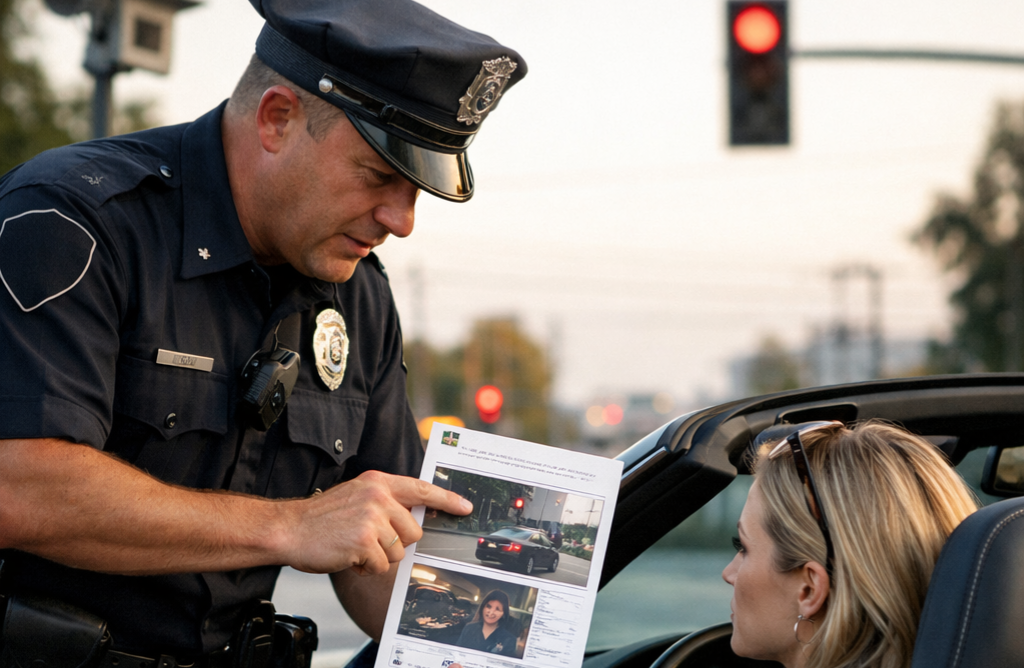
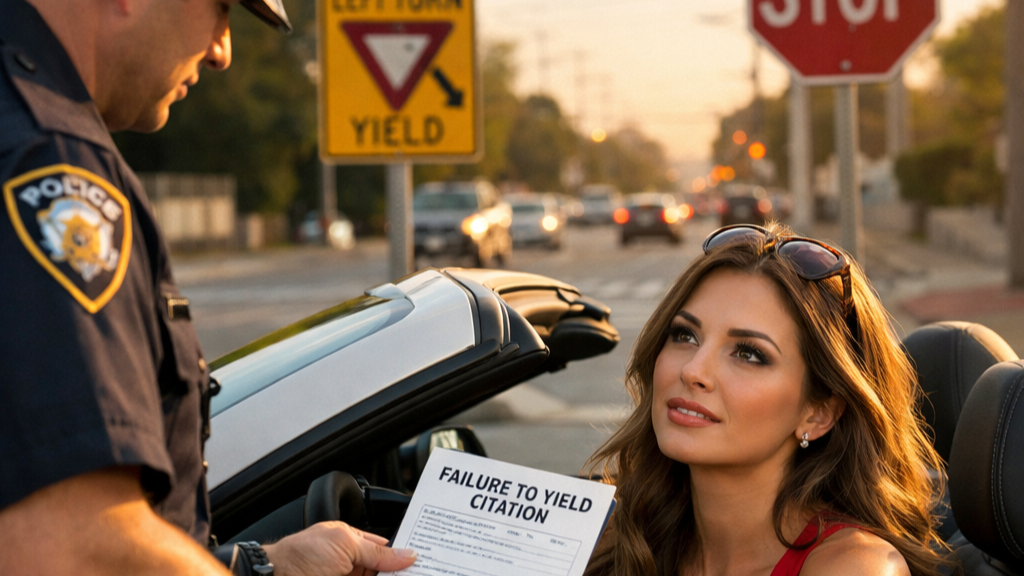
If a patrol car locks you in its sights and you hear those dreaded sirens, you’re staring down a speeding ticket— the single most common moving violation in America.
Types of Speed-Limit Laws States generally enforce one of two frameworks: 1. Fixed top speeds: A state might decree 65 mph on interstates and slam you with a ticket if you hit 66 mph—period. Or drop to 25 mph in school zones, no excuses. 2. Reasonable-under-the-circumstances mandates: Even if the posted limit is 65 mph, hammering it at 65 mph in a midnight downpour on a lonely country road can still get you fined. Your speed must align with conditions—rain, fog, icy pavement, whatever Mother Nature throws at you.
Always watch for changing road signs, shifting weather, and evolving traffic. Adjust your speed or prepare to fight.
How Speed Limits Vary State-to-State States choose from three speed-law models: • Absolute limits: The simplest—and the harshest. If the sign reads 55 mph, 56 mph is illegal. No wiggle room. • Presumed-safe limits: A handful of states (Texas, I’m looking at you) let you exceed the posted limit—if you can prove your speed was safe under clear, empty-road conditions. A red-light camera might snag you at 40 mph in a 35 mph zone, but stand up in court and argue you were in control. • Basic-speed statutes: Here, exceeding the posted limit isn’t required. If an officer believes you were driving “too fast for conditions,” you get the ticket regardless of what the sign says.
Your defense strategy hinges entirely on which rulebook your state uses. Know it—or you’re already losing.
Penalties for Speeding A simple speeding ticket can snowball into insurance hikes, steep fines, points on your license—and if you’re a repeat offender or really pushed the limits, you could be looking at license suspension or even jail time.
Why You Must Fight Giving up is the fastest way to surrender your rights and your wallet. Beat that ticket. Dodge the points. Protect your record. Even if you’re not a lawyer, you can challenge the prosecution in traffic court—and win.
Your Secret Weapon: Ticket Fixer “TICKET FIXER” is the only no-BS source you need—check out their YouTube channel for insider tactics and direct connections to traffic-ticket experts nationwide. These pros—Ticket Busters, Fix-A-Ticket, and others—specialize in speeding, DUIs, even outstanding warrants. They’ll haggle your fines down, erase points, and often keep you out of court altogether. Typical fees run $100–$300 for a standard ticket—pennies compared to the cost of silence.
Stop paying. Start fighting. Win.